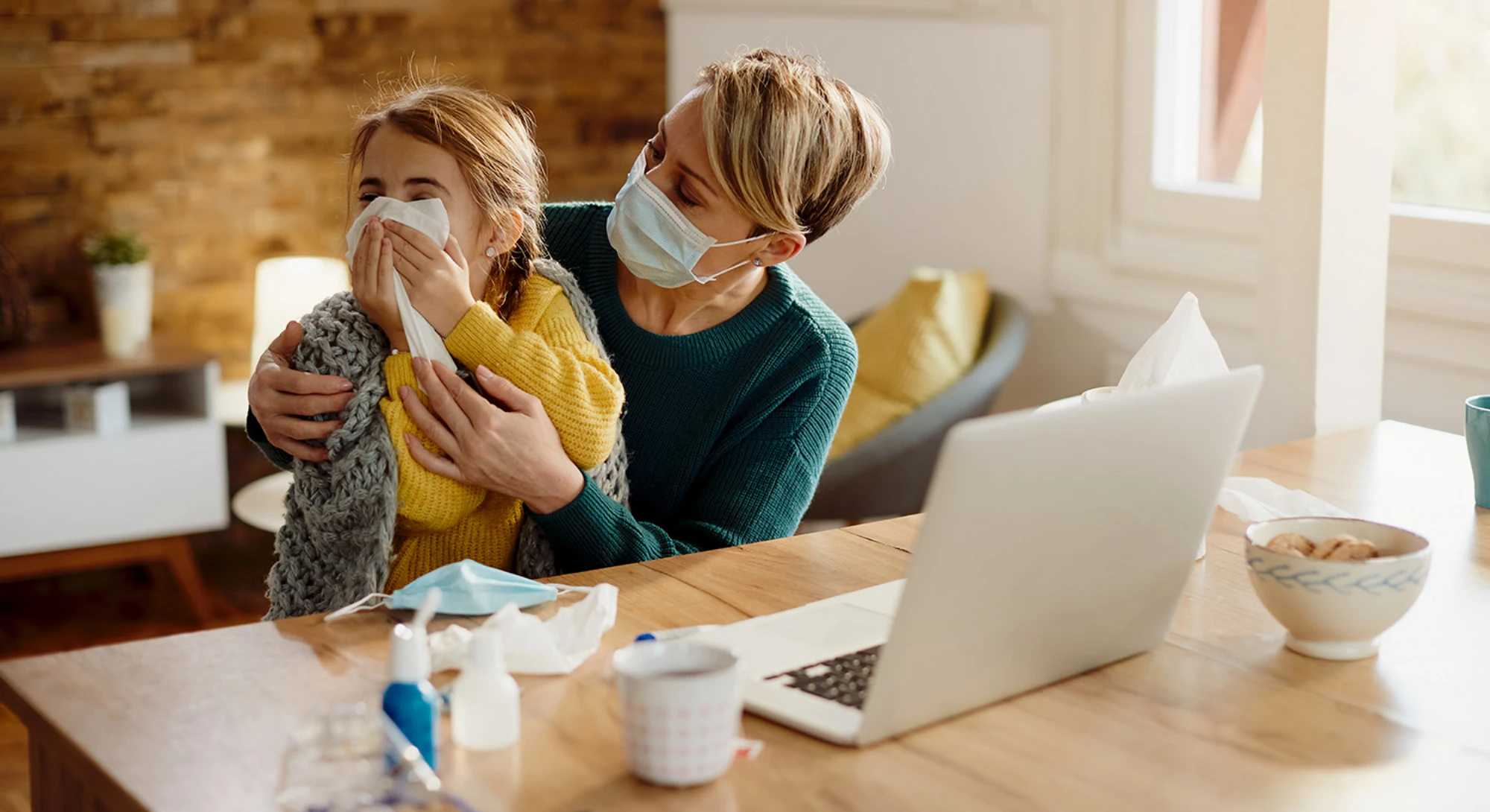
Practical Tips for Managing Allergies at Home: Simple Ways to Feel More Comfortable Every Day
If you’ve ever sat in a clinic waiting room saying, “My allergies just won’t calm down,” you’re definitely not alone. Many people deal with allergies day after day, often feeling like they’ve tried everything, yet the symptoms still linger.
The truth is, allergies can be stubborn, especially when the triggers are right in your home. But the encouraging part is this: small, consistent changes at home can make a real difference in how you feel.
At Applewood Medical, we often remind patients that managing allergies isn’t about doing everything perfectly, it’s about making your environment a little easier on your body, one step at a time.
What’s Really Happening with Allergies
Allergies happen when your immune system reacts to something harmless, like dust, pollen, pet dander, or mold, as if it were a threat.
That reaction causes symptoms like:
Sneezing and runny nose
Itchy or watery eyes
Nasal congestion or pressure
Coughing or throat irritation
Feeling tired from constant symptoms
Common triggers inside the home include dust mites, pets, mould, and even strong cleaning products.
Why Your Home Matters More Than You Think
One thing patients are often surprised to learn is how much time we spend exposed to indoor triggers. Your home should feel like a place of relief, but sometimes it can actually be where symptoms are worst.
That’s why focusing on your home environment is one of the most effective ways to manage allergies long-term.
Simple, Practical Ways to Manage Allergies at Home
1. Make your bedroom a “safe space”
Since you spend so much time sleeping, your bedroom can either help or worsen your symptoms.
Try this:
Wash bedding weekly in hot water
Use dust-mite-proof covers for pillows and mattresses
Keep pets out of the bedroom if possible
Even small changes here can improve sleep and reduce morning congestion.
2. Keep dust under control (without overthinking it)
You don’t need a perfect, spotless home, but reducing dust helps a lot.
Helpful habits:
Vacuum regularly (ideally with a HEPA filter)
Wipe surfaces with a damp cloth instead of dry dusting
Reduce clutter where dust can collect
3. Watch indoor humidity
This is one people often don’t think about, but it matters.
Too much humidity can encourage mold and dust mites.
Simple steps:
Use a dehumidifier in damp areas like basements
Fix leaks quickly
Try to keep humidity balanced (not too damp, not too dry)
4. Pay attention to the air you’re breathing
Indoor air can quietly affect your symptoms.
You may find it helpful to:
Use an air purifier with a HEPA filter
Open windows when outdoor air is clean
Avoid smoking or strong scents indoors
5. Be mindful of pets (if you have them)
We understand pets are family, but they can still be a trigger for some people.
You don’t necessarily need to rehome them.
Instead:
Keep them off beds if possible
Groom them regularly
Wash hands after close contact
6. Choose gentler cleaning products
Sometimes cleaning products themselves can irritate your nose and eyes.
Look for:
Fragrance-free options
Mild or hypoallergenic cleaners
Good ventilation while cleaning
When It Might Be Time to Get Medical Help
If your symptoms are affecting your daily life, sleep, or energy levels, it may be time to take a closer look.
You should consider seeing a healthcare provider if you notice:
Constant nasal congestion or sinus pressure
Symptoms that don’t improve with home changes
Frequent “sinus infections”
Wheezing or breathing discomfort
At Applewood Medical, we can help identify what’s triggering your symptoms and guide you toward treatment options that actually fit your situation.
Treatment Options That May Help
Depending on your symptoms, a clinician may suggest:
Antihistamines to reduce allergic reactions
Nasal sprays to ease inflammation
Eye drops for irritation
Allergy testing if triggers are unclear
The goal isn’t just short-term relief, it’s helping you feel better day-to-day.
What Trusted Medical Sources Say
These recommendations are supported by leading health organizations:
CDC – Allergy information
Mayo Clinic – Allergy treatments
Cleveland Clinic – Allergic rhinitis
Health Canada – Environmental health guidance
They all agree on one key idea: reducing exposure at home is one of the most effective first steps.
Conclusion
If allergies feel like something you just “put up with,” you’re not alone, but you also don’t have to keep struggling through them.
With a few thoughtful changes at home and the right medical support when needed, many people notice a real improvement in their symptoms and daily comfort.
At Applewood Medical, we’re here to help you figure out what’s triggering your allergies and what can actually make a difference for you, not just in theory, but in real life.
Sometimes, feeling better starts with understanding what’s going on, and taking one small step at a time.